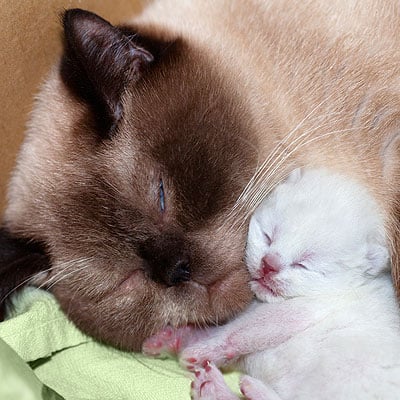


Few things are more rewarding than opening your heart and home to a rescue pet. Whether you’ve fallen in love with a shy shelter cat or a hopeful dog waiting behind the kennel door, adopting a rescue pet transforms two lives—yours and theirs. At Firth Veterinary Hospital, our London, ON veterinary team has guided countless new pet parents through this exciting transition, helping them prepare for success and lifelong companionship.
Bringing home a rescue animal is a beautiful act of kindness, but it also comes with challenges. With a little patience, preparation, and veterinary guidance, you can make your new pet’s first days comfortable, safe, and filled with trust.
Why Adopting a Rescue Pet Is So Meaningful
Every animal has a story. Some rescues have faced neglect or uncertainty, while others are simply victims of circumstance. Adopting a shelter dog or cat gives them a second chance—a chance to be part of a family again. In return, you gain a loyal, loving companion whose gratitude shows in every wag, purr, and cuddle.
At Firth Veterinary Hospital, we love seeing the incredible bond that forms when a once-lost animal finds their forever home. Rescue pets often surprise owners with their resilience, affection, and unique personalities. With a little extra understanding, they can flourish in ways that melt your heart.
Benefits of adopting a rescue pet:
- Saving a life: You give an animal the home and care they deserve.
- Gratitude and loyalty: Many rescue pets form deep, lasting connections with their families.
- Diverse choices: Shelters and rescues have dogs and cats of all ages, sizes, and temperaments.
- Support networks: Adoption groups often provide advice, training help, and medical records.
Preparing for a Rescue Pet: Setting the Stage for Success
Before you bring your new companion home, preparation is key. Creating a calm, safe environment helps your rescue settle in faster and feel secure.
Steps for preparing for a rescue pet:
- Gather supplies early: Food, bowls, collar, leash, litter box, and toys should all be ready before arrival.
- Create a quiet space: A separate room or gated area helps your pet adjust gradually.
- Schedule a vet visit: Book a wellness exam at Firth Veterinary Hospital within the first week to check overall health, update vaccines, and review diet.
- Pet-proof your home: Remove hazards like electrical cords, toxic plants, and unsecured trash.
- Plan routine and rules: Consistency reduces anxiety and helps your new pet learn expectations.
Preparation sends an important message: your home is a safe, welcoming place. That foundation builds trust—something rescue animals crave most.
The First 24 Hours: Patience and Understanding
Your new pet’s first day home is all about decompression. They’ve likely faced loud kennels, unfamiliar smells, and frequent changes. Give them space to explore at their own pace. Avoid overwhelming them with too much attention right away.
If you’re adopting a shelter dog, start with short walks and quiet time indoors. For cats, confine them to one room initially, complete with litter box, bed, and water. Let them come to you when they’re ready. Remember, bonding takes time—patience is your greatest tool.
Helpful first-day tips:
- Stay calm and quiet. Keep voices soft and movements slow.
- Stick to one or two caretakers. Too many new faces can increase stress.
- Offer gentle reassurance. Let your pet approach when comfortable.
- Maintain routine feeding times. Structure creates security.
Don’t worry if your new friend hides or seems distant at first. Adjustment periods vary; some pets warm up in hours, while others need weeks.
Adopting a Shelter Dog: Building Trust and Routine
Dogs thrive on structure, and for rescue pups, predictable routines create stability. Begin with clear daily patterns for meals, potty breaks, and walks. Consistency helps them learn the rhythm of their new life.
Crate training can also provide comfort when used correctly. A crate should be a safe den—not a punishment zone. Place it in a quiet area, leave the door open at first, and fill it with soft bedding and toys. Over time, your canine companion will learn it’s a personal retreat.
Keys to helping a rescue dog adjust:
- Stick to the same walking route for the first week before exploring new areas.
- Reward calm behavior to reinforce confidence.
- Avoid crowded spaces like dog parks until your pup is fully comfortable.
- Provide gentle exercise but don’t overdo it; rest is essential.
If you encounter issues like separation anxiety, leash reactivity, or fearfulness, our veterinarians at Firth Veterinary Hospital can refer you to trusted trainers who use positive reinforcement methods. Many rescue dogs simply need time, love, and routine to blossom into confident companions.
Separation anxiety is very common in rescue dogs, likely because many have been separated from or abandoned by their owners before. We wrote about this previously: read that post here.
Cat Adoption Checklist: Setting Up a Safe Haven
Adopting a cat requires a slightly different approach. Cats are territorial and often take longer to adapt to new surroundings. Preparation and patience go a long way toward helping your feline friend feel at home.
Your cat adoption checklist should include:
- Litter box and scoop: Place in a quiet, accessible area.
- Scratching posts: Provide outlets for natural behaviors.
- Hiding spots: Boxes, tunnels, or cat beds give security.
- Gradual introductions: Let them explore one room at a time.
- Interactive toys: Encourage play and confidence.
For the first few days, limit exploration to a single room. This “safe zone” helps reduce stress and allows your new cat to adjust at their own pace. Gradually open access to other rooms once they’re eating, grooming, and showing curiosity.
Cats communicate through subtle body language. Slow blinking, gentle purring, and head rubbing all signal trust. Celebrate these small milestones—they’re proof your feline companion feels at home.
Veterinary Care: The Foundation of a Healthy Start
Scheduling an exam soon after adoption is essential. Even healthy-looking pets may have underlying issues that need attention. Our veterinarians in London, ON will perform a complete physical exam, check for parasites, update vaccinations, and discuss nutrition.
For newly adopted pets, we also recommend microchipping and parasite prevention. These steps help ensure long-term safety and wellness. Don’t forget to bring any records or medical history from the shelter—they help us tailor your pet’s care plan.
If your new pet is nervous about the vet visit, we can make the experience as gentle and stress-free as possible. A positive first visit sets the tone for future care.
Most of the time, shelter pets have been fixed, but if your furry pal is very young, they may not have seen their doctor yet. If you are searching for a low income, spay and neuter clinic, or just looking for a great veterinarian in London, contact us!
Socialization and Confidence Building
Once your rescue pet begins to settle in, it’s time to gently introduce new experiences. Positive exposure helps prevent fear-based behaviors and encourages confident exploration.
Confidence-building tips:
- Introduce new people slowly in calm settings.
- Pair experiences with treats or play to create positive associations.
- Keep interactions short and end on a happy note.
- Reward bravery. Even small steps forward deserve praise.
If your pet seems fearful, never force interaction. Respect their comfort zone and move at their pace. Over time, consistency and gentle encouragement will replace fear with trust.
Addressing Behavioral Challenges
It’s common for rescue pets to show initial behavioral hiccups—house training lapses, barking, or hiding. These behaviors don’t mean failure; they’re simply signs of adjustment.
Our team at Firth Veterinary Hospital can help you interpret behavior changes and suggest solutions or referrals for trainers if needed. With patience and routine, most issues resolve within a few weeks. Remember, many rescue pets are learning what it means to be safe and loved for the first time.
Common behavioral concerns and tips:
- Accidents in the house: Stick to a consistent potty schedule and praise outdoor success.
- Hiding or fearfulness: Give space and let your pet initiate interaction.
- Chewing or scratching: Offer appropriate toys or posts to redirect energy.
- Night restlessness: Gentle bedtime routines help signal safety.
The Power of Time, Trust, and Love
The first few months are a learning period—for both of you. As you and your new pet adjust, routines strengthen your bond. Rescue animals often express gratitude in quiet ways: a soft nuzzle, a gentle paw, or a happy sigh during nap time. Celebrate these signs of trust.
By offering stability, care, and kindness, you help your rescue pet heal emotionally and physically. In time, they’ll become the loyal, joyful companion you imagined when you first met.
Here at Firth, your London, Ontario vet clinic, we do feel it’s important to give back. There are also things you can do, such as supporting low income, spay and neuter procedures or rabies clinics in London, Ontario, or helping with trap and release program in London Ontario
Fun Fact: Shelter Animals Often Come Trained
Many adopters are surprised to learn that rescue pets frequently arrive with some training already in place. Shelter staff and volunteers often teach basic manners, leash skills, and socialization, which can make the transition to home life easier than expected.
Read more: Petfinder has some tips on helping a rescue dog settle in on their blog, which you can find here. They also have some good advice on adopting kitties here.
FAQ: Adopting a Rescue Pet in London, ON
How long does it take a rescue pet to adjust to a new home?
Adjustment can take anywhere from a few days to several months, depending on the pet’s personality and background. Consistency, patience, and positive reinforcement are key.
When Should I Bring My Rescue Pet To My Vet In London, Ontario?
Ideally, rescue pets should meet their new vet within a week.
Should I adopt a puppy or an adult dog?
Each has benefits. Puppies allow you to shape behaviors early, while adult dogs often come with basic training and steadier temperaments. Choose based on your lifestyle and energy level.
What should I feed my rescue pet?
Ask your veterinarian for recommendations based on age, weight, and health. Gradually transition from the shelter diet to avoid stomach upset.
How can I help my new cat or dog bond with my family?
Spend quiet time together daily. Use treats, gentle play, and soft voices to build trust. Let your pet approach at their own pace.
Do rescue pets need special medical care?
Some may need catch-up vaccines, parasite prevention, or dental cleaning. Your vet can create a personalized care plan during the first visit.
Visit Our London, ON Veterinary Clinic for New Pet Care
Adopting a rescue pet is one of the most compassionate choices you can make. At Firth Veterinary Hospital in London, ON, we’re here to guide you through every stage—from preparing for a rescue pet to ensuring lifelong health and happiness. Our veterinarians offer gentle, experienced care to help your new companion settle in with confidence.
If you’ve been searching for a trusted, caring vet near me, contact Firth Veterinary Hospital today. Schedule your new pet’s first wellness exam, and let’s start their next chapter—together.
This article is for informational purposes only. Always consult your veterinarian for medical advice, diagnosis, or treatment tailored to your pet’s needs.
Are you looking for veterinarians in London, Ontario? Firth Animal Hospital offers great service and top-notch care. To learn more about our animal clinic, visit our Services page here. You can also find out about our Wellness and Vaccinations page here.