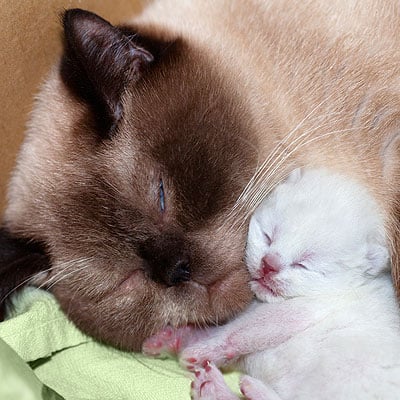


There’s something magical about a Canadian winter—unless you’re a cat who just wants a sunny windowsill and a cozy nap. At Firth Veterinary Hospital, our London, ON veterinarians know that winter poses special challenges for cats, both indoors and out. Cold weather cat care isn’t just about keeping your feline warm—it’s about preventing hazards and ensuring your furry friend stays healthy and happy all season long.
Whether your cat loves the great outdoors or prefers to supervise from the couch, a little preparation can make the cold months much safer. Let’s explore how to protect cats from freezing temperatures, dry skin, and other seasonal concerns.
Understanding the Risks of Cold Weather for Cats
Cats are adaptable creatures, but even their thick coats have limits. Exposure to low temperatures can quickly lead to hypothermia or frostbite—especially for kittens, seniors, and short-haired breeds. Outdoor cats in Canada face additional risks from icy conditions, salted sidewalks, and antifreeze exposure.
Signs your cat may be too cold include:
- Shivering or trembling
- Cold ears, paws, or tail tip
- Lethargy or slow movements
- Curling tightly to conserve heat
- Seeking warm hiding spots like car engines
If you suspect your cat is suffering from the cold, bring them inside immediately and contact your veterinarian for guidance.
Keeping Cats Warm Indoors
The best way to protect your feline from harsh winter weather is to keep them indoors where it’s warm and dry. Still, even indoor cats can feel the chill, especially if your home is drafty or the temperature drops overnight.
Tips for keeping cats warm indoors:
- Provide cozy sleeping spots: Place soft beds or blankets in sunny windows or near radiators.
- Avoid cold floors: Offer raised beds or rugs to insulate against tile or hardwood.
- Keep the thermostat steady: Cats appreciate consistent warmth, especially older pets with arthritis.
- Close off unused rooms: Concentrating heat helps maintain a comfortable environment.
- Supervise window time: Cats love to watch snowflakes, but avoid open or drafty windows.
Older cats and those with short or thin coats may benefit from heated pet pads. Always choose ones designed for animal use and monitor for safety.
Click here to read our post on keeping your pet purring indoors.
Cold Weather Cat Care for Outdoor Cats in Canada
Some cats prefer spending time outdoors no matter the season. For those determined adventurers, outdoor safety becomes essential.
If your cat must go outside:
- Limit outdoor time: Keep outings brief and supervise when possible.
- Provide shelter: Offer an insulated outdoor cat house, raised off the ground, with straw (not blankets) for warmth.
- Use pet-safe ice melt: Regular salt can irritate paws or cause illness if ingested.
- Check paws regularly: Wipe off salt, snow, and debris to prevent cracking and irritation.
- Avoid car hazards: Tap your car hood before starting the engine—cats may crawl underneath for warmth.
Cats should never be left outdoors during extreme cold. Even healthy animals can experience frostbite or hypothermia quickly when temperatures plunge below freezing.
Nutrition and Hydration During Winter
Cold weather affects your cat’s metabolism and hydration needs. Indoor cats may be less active and require fewer calories, while outdoor cats burn more energy to stay warm.
Nutrition tips for cat winter safety:
- Maintain a balanced diet: Ask your veterinarian whether your cat’s calorie needs should change.
- Keep water accessible and unfrozen: Use heated bowls for outdoor cats or replace water often.
- Monitor weight: Sudden loss or gain can signal an underlying issue.
At Firth Veterinary Hospital, we often remind cat owners that nutrition supports immune health, which is especially important during the colder months when pets spend more time indoors and may be exposed to seasonal viruses.
Protecting Paws, Skin, and Coat
Dry indoor heat can lead to itchy skin and dandruff, while cold, wet conditions outside can damage paw pads. Prevent these issues with gentle grooming and moisture protection.
Winter grooming tips:
- Brush regularly: Helps distribute natural oils for a healthier coat.
- Use a humidifier: Adds moisture to indoor air and keeps skin comfortable.
- Wipe paws after outdoor trips: Removes salt and chemicals that cause irritation.
- Avoid frequent baths: Over-bathing strips protective oils from the skin.
If your cat’s skin becomes flaky or red, or if you notice persistent grooming, schedule an appointment with your vet. Skin irritation can also signal allergies or stress.
Senior Cats and Cold Weather Comfort
Older cats are especially vulnerable to the cold. Arthritis and joint stiffness often worsen in chilly conditions, making movement and grooming more difficult.
Support your senior feline during winter:
- Provide soft bedding near warm areas to cushion joints.
- Keep food and water easily accessible to reduce strain.
- Encourage gentle movement to keep muscles flexible.
- Schedule wellness exams to monitor arthritis and other age-related conditions.
Our veterinarians at Firth Veterinary Hospital can recommend supplements or treatments to help manage winter-related discomfort in senior cats.
Safety Around Winter Hazards
Canadian winters bring more than just snow—they also bring hidden dangers.
Watch for these seasonal hazards:
- Antifreeze: Sweet-tasting but deadly. Even small amounts can be fatal. Keep containers sealed and clean spills immediately.
- Heaters and fireplaces: Cats love warmth but may get too close. Use barriers and supervise.
- Holiday decorations: Strings, ribbons, and tinsel are irresistible but dangerous if swallowed.
- Candles: Curious cats can easily knock them over—opt for flameless versions instead.
A few extra precautions go a long way in keeping your feline friend safe during the cold months.
Enrichment During Long Winters
Cabin fever can affect cats, too. Indoor boredom may lead to overeating, scratching, or mischief. Keep your cat engaged with interactive play and mental stimulation.
Winter enrichment ideas:
- Use puzzle feeders to make mealtime more engaging.
- Rotate toys to keep interest high.
- Create climbing spaces with cat trees or shelves for exercise.
- Engage in daily play sessions with wand toys or laser pointers.
Play not only prevents weight gain—it also strengthens the bond between you and your feline friend.
Fun Fact: Cats Seek Out “Microclimates”
Cats instinctively find the warmest spot in the room—often a sunbeam, laptop, or freshly folded laundry. Providing designated warm spaces reduces the temptation to nap somewhere unsafe, like on radiators or near heaters.
Blue Cross has an article on winter cat care here. PetMD also has a piece on winter kitty care, which is here.
FAQ: Cold Weather Cat Care in London, ON
How cold is too cold for cats?
Temperatures below 0°C (32°F) are dangerous, especially for kittens, seniors, or short-haired breeds. Limit outdoor time and provide warm shelter if your cat must go out.
Can cats get frostbite?
Yes. Ears, tails, and paws are most vulnerable. Frostbitten skin appears pale or gray and may swell. Contact your veterinarian immediately if you suspect frostbite.
Should I put clothes on my cat?
Most cats dislike clothing, but a soft, well-fitted sweater may help some short-haired cats tolerate brief cold exposure. Always supervise to ensure safety.
How can I tell if my indoor cat is cold?
Watch for curling tightly, shivering, or seeking extra warmth near heaters or blankets. Adjust your home’s temperature and provide cozy bedding.
Are space heaters safe for cats?
Use with caution. Keep heaters stable, and ensure your cat can’t knock them over or get too close. Consider pet-safe radiant heaters as a safer option.
Visit Our London, ON Veterinary Clinic for Winter Cat Care
Cold weather can be tough on cats, but with the right care, your feline friend can stay safe, warm, and content all season long. At Firth Veterinary Hospital in London, ON, our veterinarians can help you create a personalized cold weather cat care plan that supports comfort and health from nose to tail.
If you’ve been searching for a compassionate, knowledgeable vet near me, contact Firth Veterinary Hospital today. Schedule your cat’s winter wellness visit and let’s make sure they’re ready to pounce into the season with warmth and confidence.
This article is for informational purposes only. Always consult your veterinarian for medical advice, diagnosis, or treatment tailored to your pet’s needs.